
Cancer Blood Tests vs. Genetic Testing: What’s the Difference?
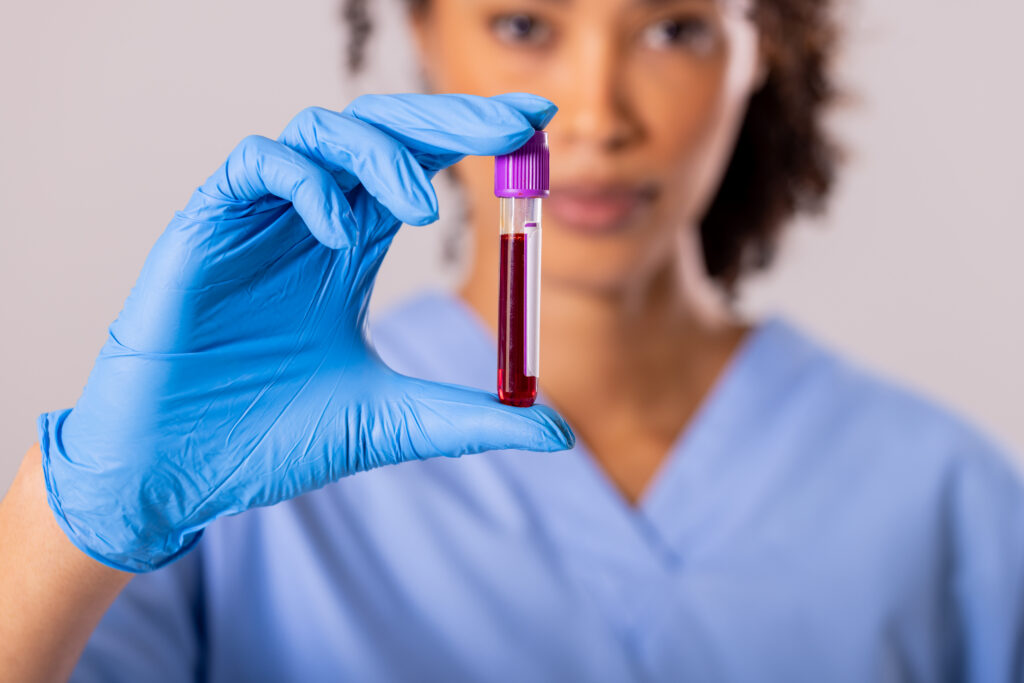
When people hear about advanced cancer screening, many assume it’s the same as genetic testing. But while both involve DNA, they answer very different questions about your health.
Understanding this difference is key, because it can shape how you approach prevention, screening, and early detection.
What Is Genetic Testing for Cancer?

Genetic testing looks at the DNA you were born with, meaning your inherited genes.
These tests are designed to answer questions like:
- Am I at higher risk for certain cancers?
- Do I carry mutations like BRCA1 or BRCA2?
In other words, genetic testing is about risk assessment, not detection.
Even if a genetic test shows a mutation, it does not mean cancer is present, only that the likelihood may be higher.
In fact, according to The National Cancer Institute only about 5–10% of cancers are linked to inherited genetic mutations, meaning most cancers develop due to changes over time.
What Is a Cancer Blood Test (ctDNA Testing)?

The Cancer Blood Test uses a fundamentally different approach.
Instead of analyzing inherited DNA, it screens for circulating tumour DNA (ctDNA), small fragments of DNA released by cancer cells into the bloodstream.
This is often referred to as a liquid biopsy, because it allows clinicians to look for cancer signals using a simple blood draw rather than a surgical tissue sample.
Unlike genetic testing, ctDNA testing is designed to answer a much more immediate question:
“Is there evidence of cancer activity in the body right now?”
The Key Difference: Risk vs. Real-Time Detection
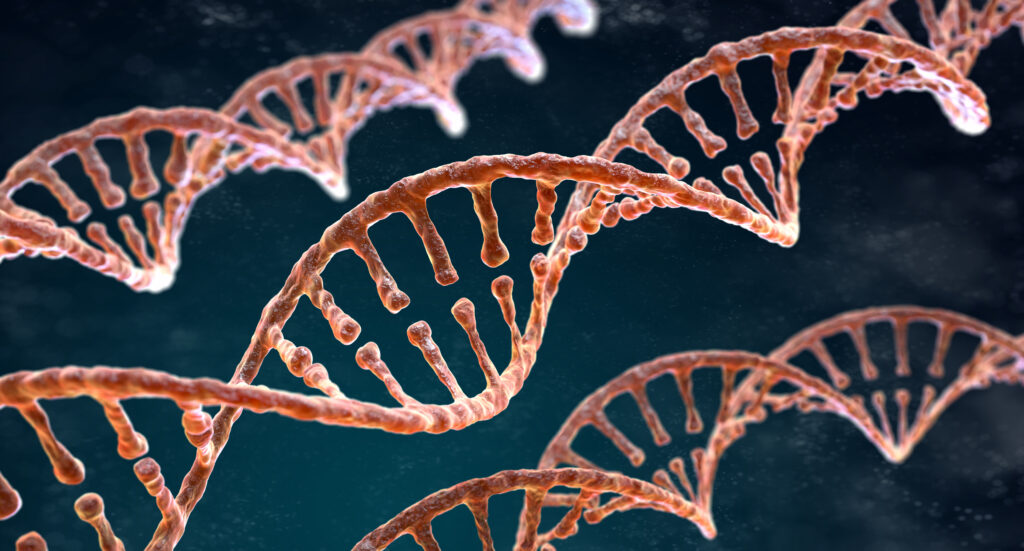
At a high level, the distinction is simple but powerful:
- Genetic testing tells you what might happen.
- Cancer blood testing (ctDNA) looks for what could already be happening.
Genetic testing is static, it reflects the DNA you were born with.
ctDNA testing is dynamic. As tumour DNA is constantly shed into the bloodstream, it provides a real-time snapshot of potential disease activity.
This makes it particularly valuable for early detection and proactive screening, especially for cancers that don’t yet have standard screening protocols.
Why This Matters for Early Detection

Most cancers are not inherited, they develop silently over time.
That means many individuals with no known genetic risk may still be vulnerable.
By focusing on tumour DNA rather than inherited genes, cancer blood testing expands the conversation to go beyond hereditary illnesses.
This shift is critical, because earlier detection often leads to more treatment options and better outcomes.
Beyond Detection: A More Complete Care Model

Another key differentiator is what happens after a result.
Cancer Blood Test is not just a screening tool, it’s part of a full-circle clinical pathway that includes:
- Physician-reviewed results.
- Identification of likely tissue of origin (where the cancer signal may come from).
- Access to private MRI or CT imaging at no additional cost if a signal is detected.
This moves the experience beyond testing into guided next steps, which is where many screening approaches fall short.
Complementary Testing
It’s important to note that these two approaches are not mutually exclusive.
Genetic testing still plays an important role in:
- Understanding inherited risk.
- Informing family health decisions.
- Guiding long-term prevention strategies.
But when it comes to detecting cancer signals in the body today, ctDNA-based screening offers a different and increasingly important layer of insight.
A More Proactive Approach to Cancer Screening
For many individuals, the most powerful approach is not choosing one or the other—but understanding what each test is designed to do.
Genetic testing can tell you where you may be vulnerable, while the Cancer Blood Test helps answer whether there may already be something worth investigating.
That distinction is what makes this new generation of screening tools so impactful.If you’re looking for a more proactive approach to your health, book a consultation and explore current screening availability and upcoming collection dates.
