
How Early Detection Can Improve Survival Rates Across Multiple Cancer Types

When it comes to cancer, timing is not just important. It is often the single most decisive factor in survival. The stage at which cancer is detected directly influences treatment options, recovery outcomes, quality of life and long term prognosis. Yet for many Canadians, cancer is still being diagnosed only once symptoms appear, long after the disease has begun to progress.
Early detection changes that equation entirely. It shifts cancer care from reaction to prevention and from crisis management to strategic intervention. That shift can save lives by improving the chances of successful treatment.
Why Stage at Diagnosis Matters More Than Almost Anything Else

Most cancers progress in stages. In the earliest stages, cancer is typically localized and often treatable with less aggressive intervention. As cancer spreads, treatment becomes more complex, more invasive and less predictable.
The difference between detecting cancer at an early stage versus an advanced stage often means:
- Broader treatment options.
- Higher treatment success rates.
- Reduced need for aggressive therapies.
- Shorter recovery times.
- Lower long term health complications.
In contrast, late stage detection frequently leads to more aggressive treatment plans, prolonged hospital care and significantly reduced survival rates.
The Challenge With Traditional Detection Methods
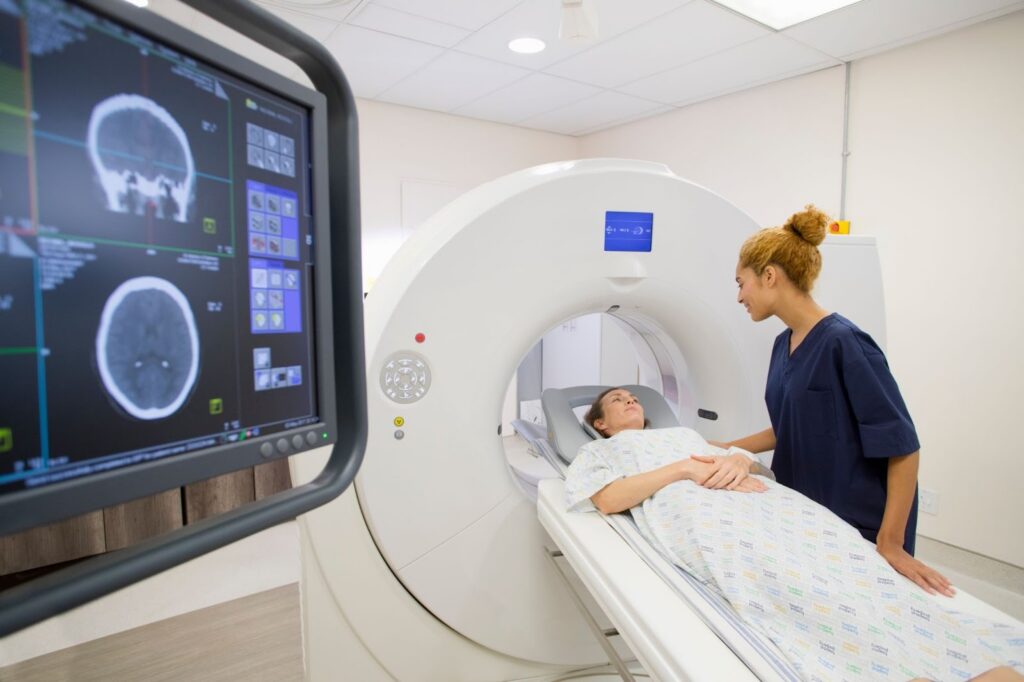
Most conventional screening tools rely on the physical presence of a detectable tumour. Imaging such as MRI and CT scans require a tumour to reach a visible size before abnormalities can be identified. Many aggressive cancers, including pancreatic, liver, ovarian, bile duct and esophageal cancers, often do not show symptoms until they are already advanced.
For these cancers, routine screening programs either do not exist or are extremely limited. As a result, many patients only receive a diagnosis once the disease is already difficult to treat.
This gap in early detection is one of the most significant challenges in modern oncology.
How Tumour DNA Changes the Timeline
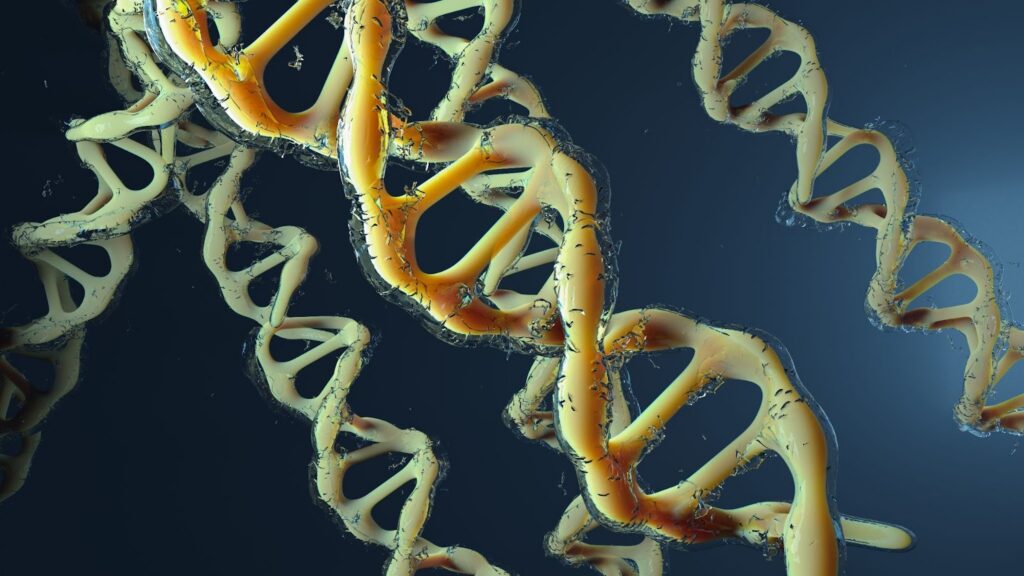
Cancer cells release tiny fragments of DNA into the bloodstream as they grow. These fragments appear far earlier than changes visible on imaging. By analyzing these fragments through advanced blood based genomic testing, it becomes possible to detect cancer long before symptoms develop or tumours become visible.
This allows detection to move weeks, months and in some cases years earlier than traditional methods alone would permit.
Early detection at the molecular level creates an opportunity to intervene sooner, when treatment is often most effective.
What Earlier Detection Means for Survival

Earlier detection improves survival by:
- Increasing the likelihood that cancer is still confined to one area.
- Allowing for earlier surgical or targeted intervention.
- Reducing dependence on aggressive late stage therapies.
- Improving overall treatment response.
- Supporting better long term health outcomes.
For many cancers, early stage detection is associated with dramatically higher survival rates compared to advanced stage diagnosis.
This is why early detection is considered one of the most powerful tools in cancer care.
Why Relying on Symptoms Is Risky

Many people assume they will feel symptoms if something is wrong. Unfortunately, this is often not the case with cancer. Many cancers remain silent in their earliest and most treatable stages.
By the time pain, fatigue, weight loss or other warning signs appear, the disease may already be significantly advanced. Waiting for symptoms is not a protection strategy. It is a risk.
Proactive testing allows patients to act based on biological signals rather than physical symptoms.
The Shift Toward Proactive Cancer Screening

Modern medicine is advancing toward a proactive model of care. Rather than waiting for illness to appear, preventive strategies aim to identify disease as early as possible, often before it becomes clinically apparent.
Blood based cancer detection plays a growing role in that shift. It allows patients and physicians to identify potential cancer activity earlier, with greater precision and with less reliance on visible tumours.
This approach does not replace traditional medical care. It strengthens it.
Who Benefits Most From Early Detection

Early cancer detection is particularly valuable for:
- Individuals aged 40 and older.
- Those with a family history of cancer.
- People with occupational or environmental exposure risks.
- Health conscious individuals who prioritize prevention.
- Busy professionals seeking comprehensive screening.
- Those using health spending accounts for proactive care.
For many, early detection provides both actionable medical insight and meaningful peace of mind.
A New Standard for Cancer Screening in Canada
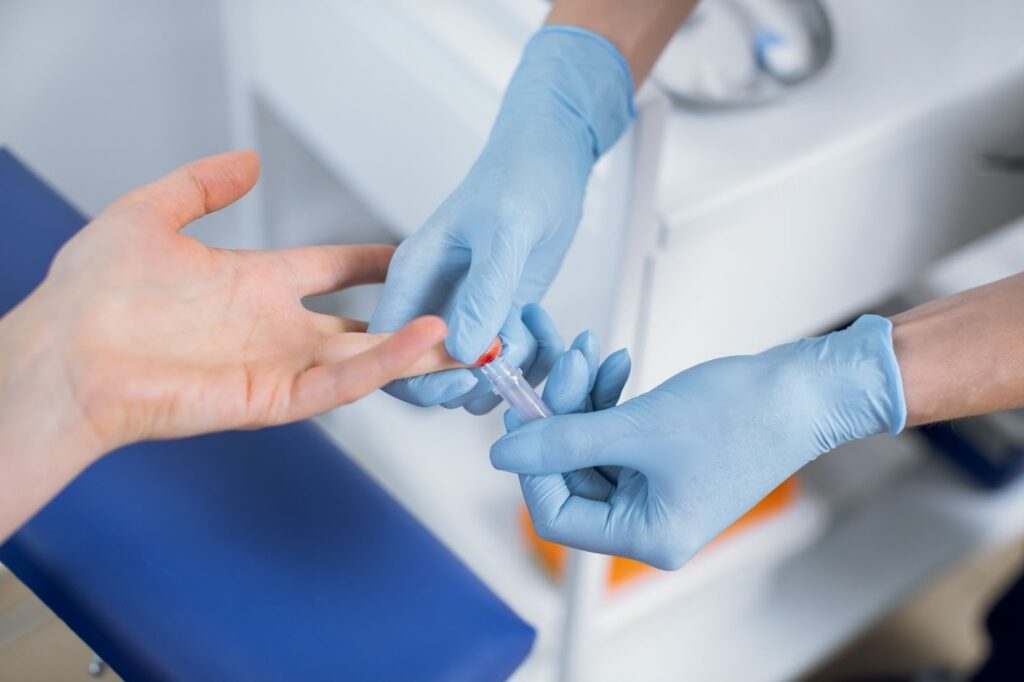
Cancer screening is evolving. The ability to detect cancer at the DNA level represents a major step forward in how Canadians approach their health.
Instead of relying only on imaging, symptoms or limited single cancer screenings, patients can now access broader detection from a single blood sample. This allows early answers when they matter most and creates the possibility for earlier, more effective intervention.
Why Early Answers Matter
Cancer care continues to advance in treatment, precision medicine and patient support. But none of those advances reach their full potential without early detection.
Early answers allow for earlier decision making.
Earlier decision making allows for earlier treatment.
Earlier treatment saves lives.
Proactive screening gives people back something many fear losing with a cancer diagnosis: time. If you want clearer answers about your health before symptoms appear, now is the time to take a proactive step.
The Cancer Blood Test can detect multiple cancers through a single blood sample, providing earlier insight and greater peace of mind alongside traditional screening.Join the growing waitlist now and get the answers you need.
https://waitlist.cancerbloodtest.ca/
